
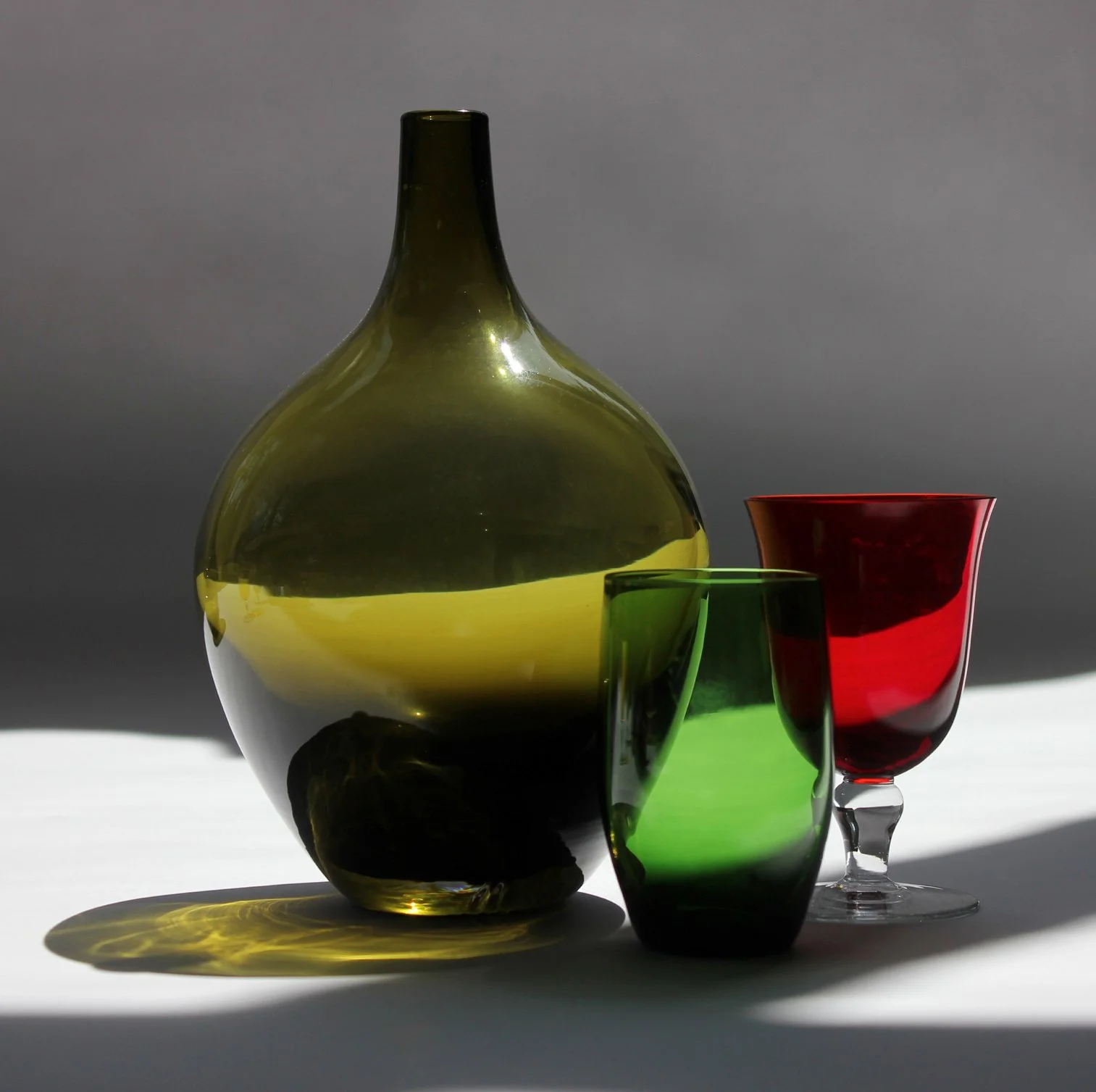
THE OLD MASTER GLASS PAINTING METHOD
Get early access when the course opens
Drawing
Colour Glazing System
Finishing
Monochrome Underpainting
Imprimatura
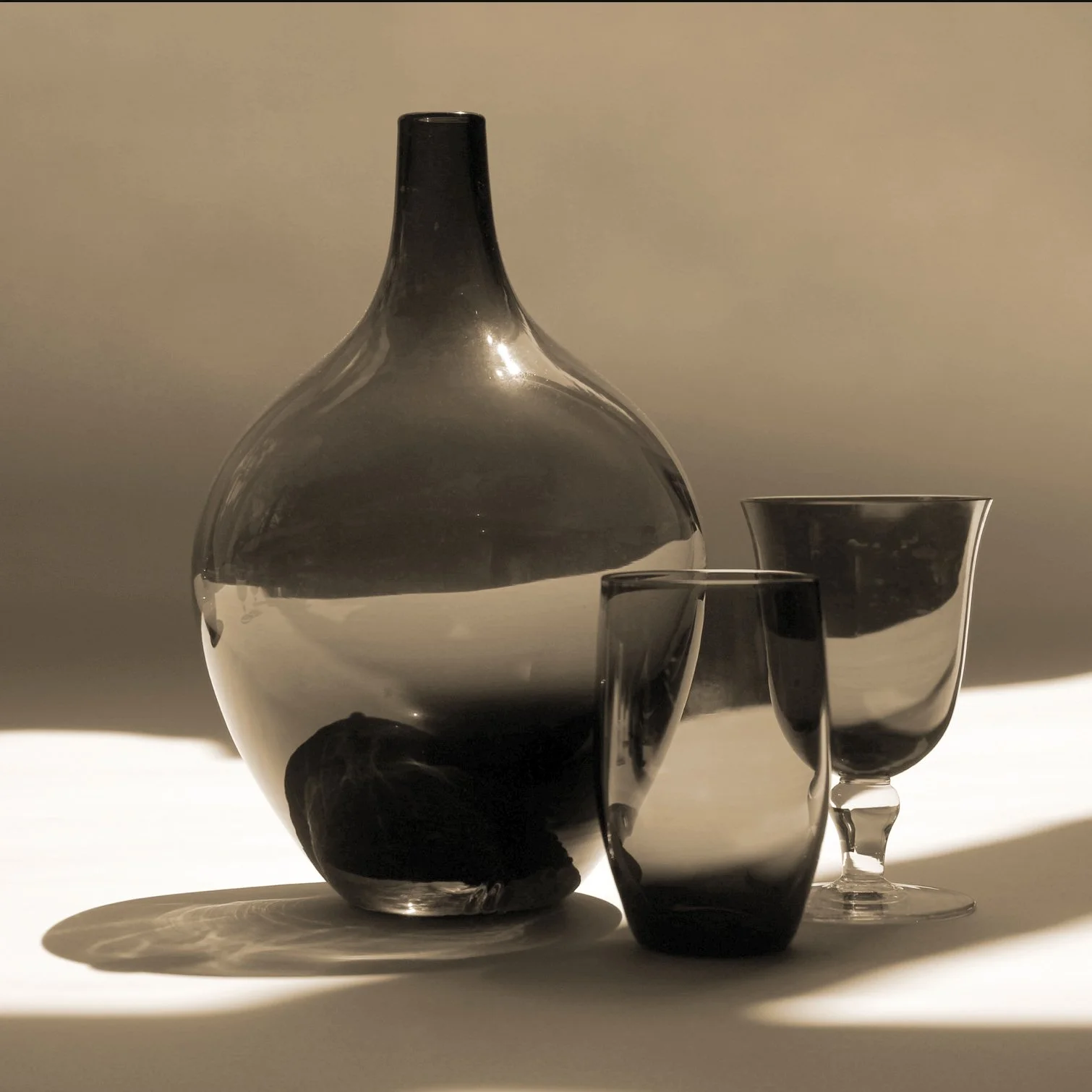
This study is a structured atelier system for constructing light in oil painting through classical methods of drawing, tone, and glazing.
A Classical Atelier System for Painting Light and Transparency
A structured painting study based on Old Master techniques
This course is built from real atelier practice—drawing, underpainting, and glazing systems developed through centuries of classical painting.
You will not be improvising.
You will be following a controlled method used to construct light, depth, and optical realism in oil painting.
This study focuses on one subject:
Three simple glass objects.
Not because they are simple to paint—but because they reveal everything.
Glass forces clarity in drawing, structure in tone, and discipline in glazing.
If you can paint glass convincingly, you are beginning to understand how Old Master painting actually works.
WHAT YOU WILL CREATE
By the end of this course, you will complete:
• A finished oil painting of three glass objects
• Built through a structured atelier process
• Developed in stages: drawing → tonal underpainting → glazing → optical finishing
This is not a demonstration.
It is a complete construction method.
WHY GLASS
This subject forces clarity in drawing, discipline in tonal structure, and precision in glazing. There is nowhere to hide errors.
Glass is one of the most demanding subjects in painting.
It does not forgive guesswork.
It reveals:
• incorrect drawing immediately
• weak tonal structure instantly
• poor glazing decisions clearly
This makes it the perfect training subject for learning classical oil painting systems.
The goal is not to paint “glass as an object.”
The goal is to understand:
how light behaves through form
This is the foundation of Old Master painting.
THE METHOD
This course follows a strict atelier sequence.
Each stage builds the next. Nothing is decorative. Everything is structural.
1. Drawing & Construction
You will learn how to accurately construct the image using one of several classical transfer methods:
• projection
• grid (squaring up)
• cartoon transfer
• direct observation drawing
The emphasis is accuracy, not interpretation.
If the drawing fails, everything after fails.
2. Imprimatura
A thin warm ground is applied across the surface.
This removes the blankness of the canvas and establishes the tonal atmosphere of the painting.
It is not about perfection—it is about preparing the surface for light.
3. Monochrome Underpainting
The painting is built in tonal values before any colour is introduced.
Using a limited range of tones, you will establish:
• light structure
• shadow masses
• form and volume
• spatial depth
At this stage, the painting should already read clearly in black and white.
This is the architecture of the image.
4. Colour Glazing System
Colour is introduced through transparent layers.
Instead of mixing opaque paint, you will build colour gradually through glazing.
Each layer:
• deepens depth
• adjusts temperature
• refines light behaviour
Colour becomes optical—not decorative.
5. Optical Refinement
Reflections, distortions, and internal light effects are developed.
This is where the painting begins to feel alive.
You will learn how glass:
• bends light
• carries reflections
• absorbs background information
6. Finishing
Final adjustments bring the painting together.
This includes:
• controlled highlights
• tonal unity glaze
• edge refinement
• focal clarity
Nothing is overworked. Everything is adjusted with precision.
WHO THIS IS FOR
This course is designed for:
• painters who want structure rather than guesswork
• artists interested in classical oil painting methods
• beginners who want a clear system from start to finish
• painters stuck in inconsistent results
It is not designed for:
• quick sketching methods
• loose impressionistic approaches
• shortcut painting techniques
WHAT MAKES THIS DIFFERENT
Most painting courses teach effects.
This course teaches construction.
You are not learning how to “copy what you see.”
You are learning how Old Master paintings are built layer by layer:
• drawing first
• tone second
• light structure before colour
• optical glazing last
This is a method, not a style.
FORMAT
This is a step-by-step structured painting study.
Each stage is broken into clear lessons so you always know:
what to do next, and why it matters in the sequence.
ACCESS
This course is currently in production.
You can join the early access list to be notified when it opens.
Early access students will receive:
• first release availability
• launch information before public release
• updates as the course is completed
FINAL NOTE
This study is part of a wider exploration into Old Master painting systems—developed through direct studio practice and reconstruction of historical techniques.
The next stage of this work will expand into larger master studies, including full figure and narrative painting systems.
This glass study is the foundation.
The Process
Access Type
Early Access List
What you receive
First access when course opens
Behind-the-scenes updates from the studio
Progress updates while course is being built
Priority notification before public release
Coming soon
“Join Studio List”
“Request Early Access”
“Enter the Study List”
Old Master painting systems
This study is part of a wider exploration into Old Master painting systems—developed through direct studio practice and reconstruction of historical techniques.
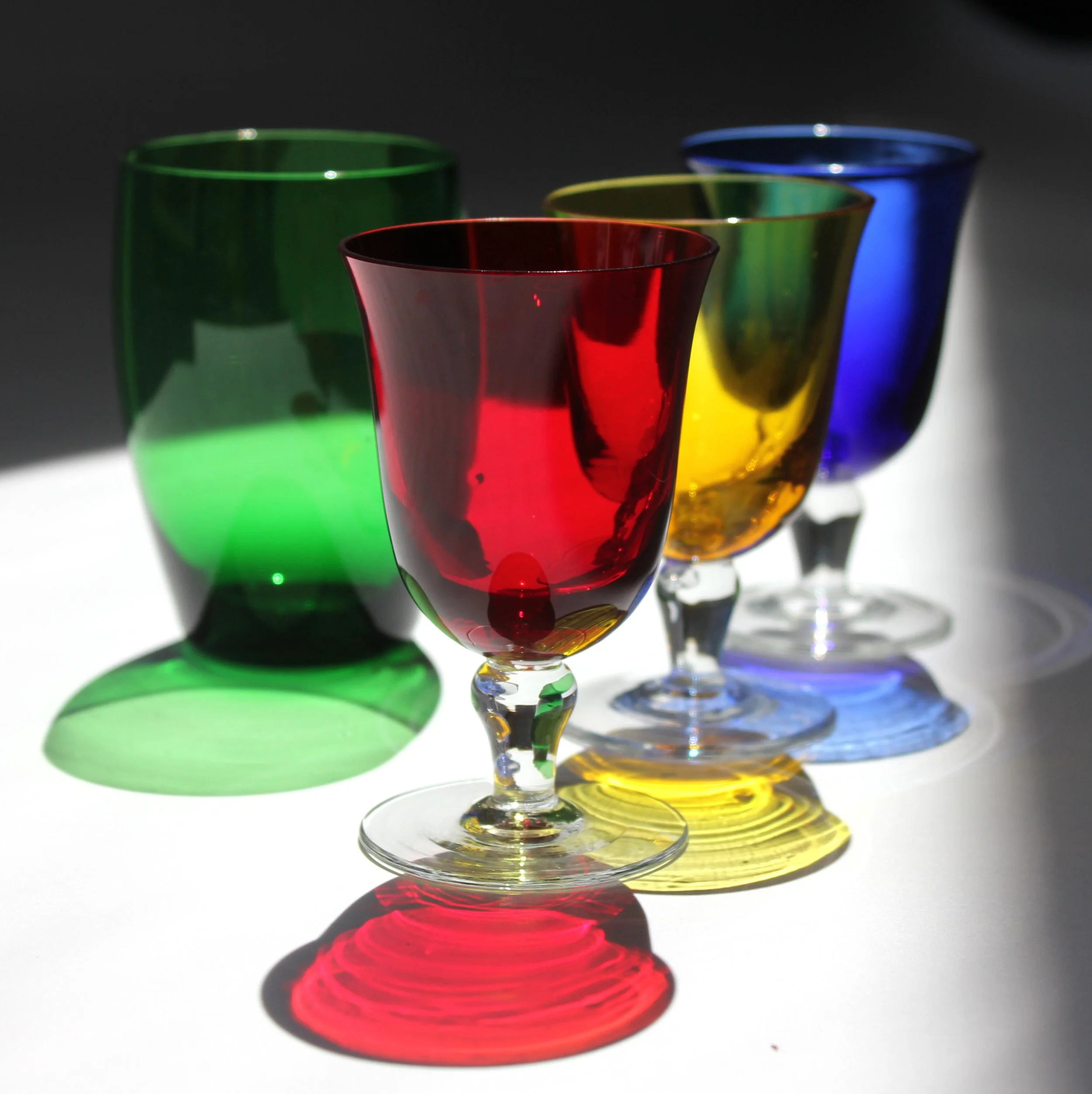
This glass study is the foundation.
Three simple glass objects.
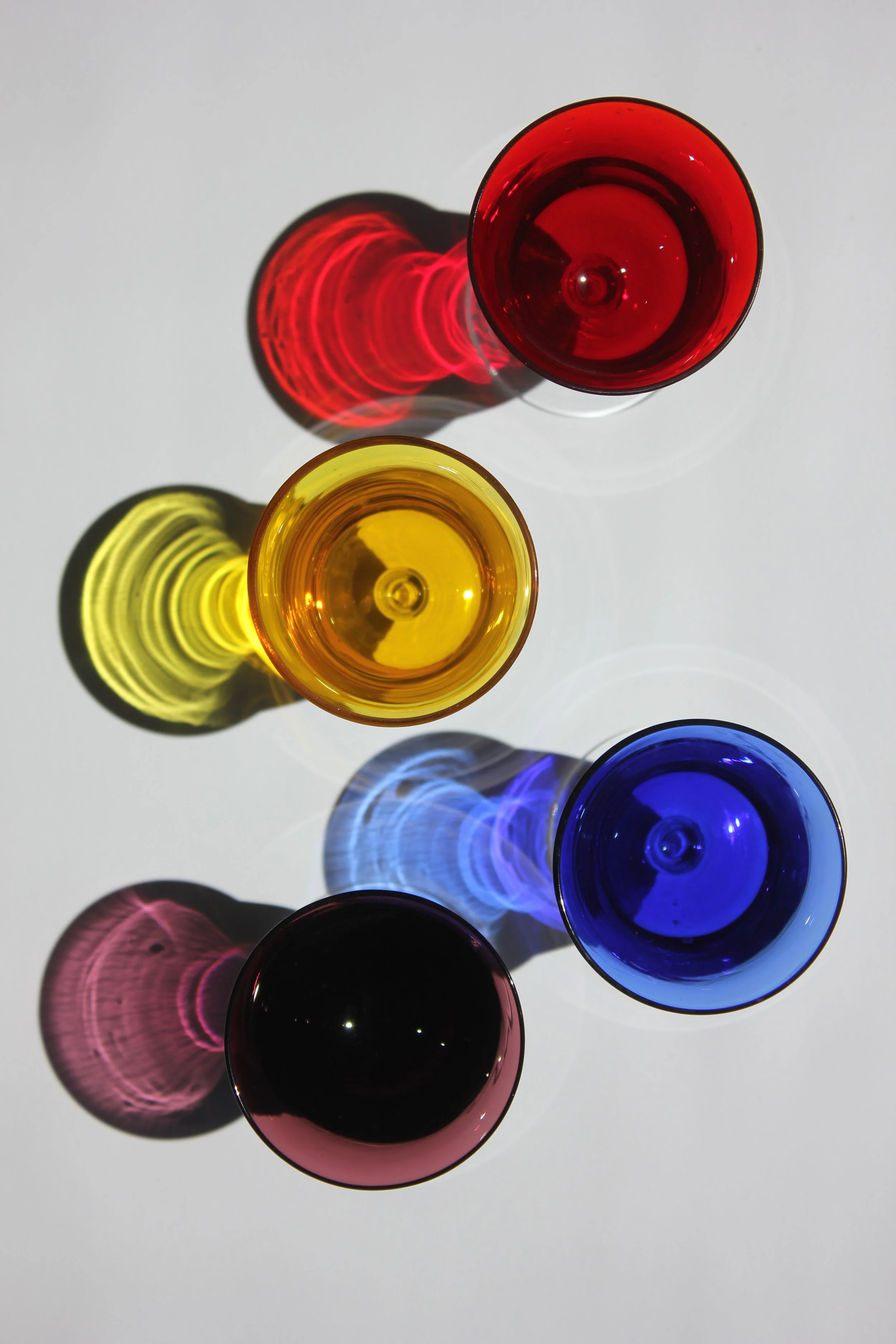
EARLY ACCESS — THE OLD MASTER GLASS PAINTING This course is currently being developed inside the studio.
It will follow a complete Old Master painting process:
drawing → tonal structure → glazing → optical finishing.
If you want access when it opens, Request entry to the study list
You will be notified before public release.
Early access is simply a way of organising first entry into the course when it opens.